Story time has always been one of the most cherished moments in early childhood. Whether a child listens to a story from a parent, teacher, or picture book, the experience becomes a powerful gateway to language, imagination, and emotional bonding. In many of the Top CBSE schools in Bangalore, storytelling is not just an activity it is a meaningful part of early learning that nurtures essential academic and life skills. When used consistently, story time can significantly strengthen vocabulary, listening skills, creativity, and early literacy skills, laying a strong foundation for future learning.
From fairy tales to fables, adventure stories to real-life narratives, each story introduces children to new ways of thinking, speaking, and understanding the world. The magic of storytelling lies in its ability to teach without feeling like a lesson. This natural absorption of language is why story time remains a core component of early education in the best schools in Bangalore.
1. Why Story Time Matters in Early Learning
Children are naturally drawn to stories because they help them make sense of their surroundings. Story time allows them to discover new words, ideas, and expressions in a relaxed and enjoyable environment. It supports language development by exposing young learners to sentence structure, rhythm of speech, and expressive communication. In many top preschools in Bangalore, stories are used as an early introduction to literacy by helping children understand patterns in language, predict outcomes, and relate them to real-life experiences.
2. Boosting Vocabulary Through Engaging Narratives
Every story introduces a world of new words. As children listen, they begin to understand meanings based on context, tone, and repetition. Engaging narratives introduce vocabulary that children may not encounter in everyday conversation. Words like “enormous,” “brave,” “mysterious,” or “whispered” naturally become part of their expression. Teachers in the Top CBSE schools in Bangalore often choose stories intentionally to enrich vocabulary, knowing that early exposure to diverse words strengthens future reading and writing skills.
3. Improving Listening and Attention Span
Sustained listening is one of the first academic skills children must develop. During story time, they learn to focus on the storyteller’s voice, follow the sequence of events, and anticipate what happens next. This builds attention span and concentration, essential skills for classroom learning. When stories become a regular part of school routines, children gradually improve their ability to listen carefully and process spoken information key elements of developing listening skills.
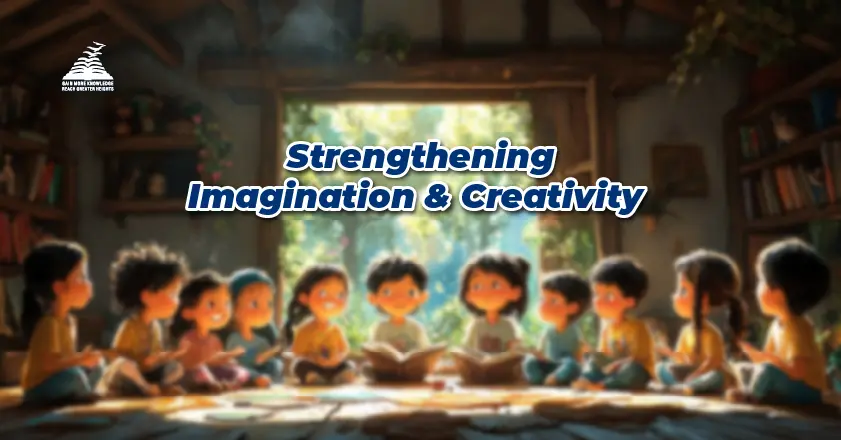
4. Strengthening Imagination and Creativity
Stories give children the freedom to imagine worlds beyond their own. As the storyteller describes characters or settings, children create mental images, expanding their creative thinking. They imagine forests, magical creatures, faraway lands, or simple everyday scenarios in new and exciting ways. This imaginative process supports cognitive development and nurtures creativity, which is highly valued in the best schools in Bangalore East and modern early-learning environments.
5. Enhancing Comprehension Skills
Understanding a story involves following the plot, identifying characters, recognizing cause and effect, and connecting ideas. Teachers often ask simple questions during or after the story “Why do you think the character felt sad?” or “What do you think will happen next?” These questions help children reflect, infer, and make sense of information. Such interactive storytelling techniques improve comprehension, a crucial component of early literacy skills.
6. Encouraging Expression and Speaking Skills
Story time naturally encourages children to speak and express themselves. When they retell a story, describe a character, or share their favourite part, they practise forming sentences clearly and confidently. This not only strengthens speaking skills but also builds self-expression. In many best play schools in Bangalore, children are encouraged to make up their own stories, helping them develop creativity and fluency in communication.
7. Developing Emotional Awareness
Stories are rich with emotions joy, fear, sadness, courage, excitement and children learn to understand these feelings by following the characters’ journeys. When they listen to a character facing a challenge or celebrating a happy moment, children learn empathy and emotional recognition. This exposure helps them understand their own feelings better and respond sensitively to others. Teachers in top 10 preschools in Bangalore use storytelling to nurture emotional intelligence, a key aspect of social development.
8. Building Parent–Child and Teacher–Student Bonds
Shared story moments create strong emotional connections. When parents read to their children at home, they build trust, warmth, and companionship. Similarly, teachers who read engaging stories in classrooms strengthen their relationship with students. These shared experiences make children feel valued, understood, and loved. Story time becomes an intimate bridge that connects adults and children, making it one of the most powerful stories telling activities for bonding.
9. Using Props, Pictures, and Actions for Better Engagement
Interactive storytelling captures children’s attention and deepens understanding. Using puppets, picture cards, sound effects, or simple actions makes stories livelier and more memorable. Visual aids help children associate words with images, making retention easier. Schools known for interactive storytelling often use these tools to encourage participation and keep young learners engaged throughout the session.
10. Turning Story Time into a Daily Learning Habit
Consistency is key to building strong language and listening skills. When story time becomes a regular habit whether at home or in the classroom children develop curiosity, creativity, and a lifelong love for reading. Listening to stories every day gives them a strong foundation in language, imagination, and emotional intelligence. This is why many of the Top CBSE schools in Bangalore prioritize daily storytelling as part of their early education program.
Story Time for Stronger Language & Listening Skills at Presidency School Bangalore East
At Presidency School Bangalore East, story time plays a vital role in nurturing early language and listening skills. Engaging narratives, expressive reading, and interactive discussions help children expand vocabulary, improve pronunciation, and strengthen comprehension. Teachers use puppets, visuals, and dramatization to make stories come alive, encouraging students to imagine, question, and express themselves confidently. This joyful approach not only builds communication skills but also fosters creativity, attention span, and a genuine love for reading.
Conclusion
Story time is far more than entertainment it is a powerful educational tool that shapes a child’s communication skills, imagination, emotional development, and listening ability. Through stories, children learn to express themselves, understand others, and appreciate the beauty of language. The best schools in Bangalore and top preschools in Bangalore have long recognized the value of storytelling and continue to integrate it as an essential part of holistic early learning.