
A strong school journey is built on more than textbooks, exams, and marks. It grows through encouragement, guidance, trust, and meaningful classroom interactions. In every top CBSE school in Bangalore, teachers play a powerful role in shaping not only academic performance but also confidence, curiosity, discipline, and emotional growth. When students feel understood and supported, they become more willing to learn, participate, and improve.
Why Teacher-Student Relationships Matter in Education
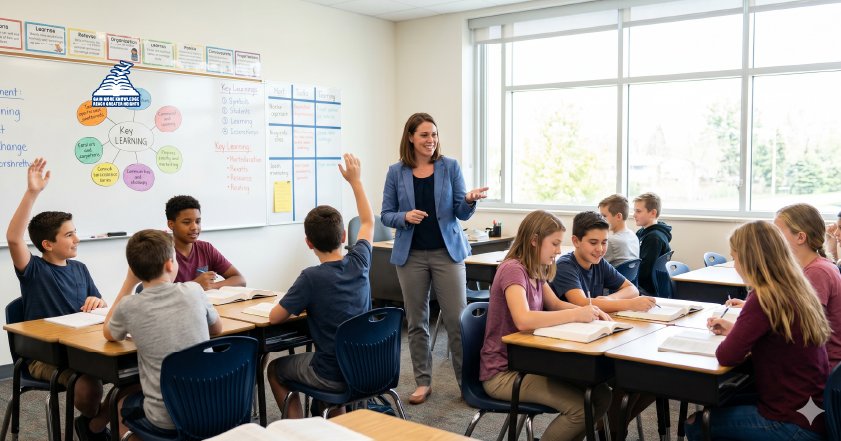
The teacher and student relationship is one of the most important parts of a child’s learning experience. A caring teacher can make difficult subjects feel easier, help students believe in their abilities, and guide them during academic challenges. This relationship also influences how students behave in class, complete their work, and respond to feedback. When children feel respected, they are more likely to respect learning in return.
Building Trust as the Foundation for Better Learning
Trust is the first step towards meaningful education. The relationship between teachers and students becomes stronger when teachers are fair, approachable, patient, and consistent. Students should feel that their teacher will listen without judgement and guide them without fear. A trusted teacher can correct mistakes gently, motivate students honestly, and help them take responsibility for their progress.
How Positive Classroom Bonds Improve Student Engagement
A positive classroom bond makes learning more active and enjoyable. When students share a healthy relationship with teachers and students, they are more likely to pay attention, participate in discussions, and show interest in classroom activities. They do not learn only because they have to; they begin to learn because they feel connected to the classroom and the teacher’s way of teaching.
Encouraging Students to Ask Questions with Confidence
Many students hesitate to ask questions because they fear being wrong or laughed at. A strong teacher student bond helps remove this fear. When teachers encourage doubts, appreciate curiosity, and respond with patience, students become more confident in speaking up. Asking questions is a sign of active learning, and it helps children’s clear concepts before small doubts become bigger learning gaps.
Role of Teachers in Supporting Academic Motivation
A meaningful teacher student relationship can motivate students to work harder, especially when they feel discouraged. Teachers often notice small changes in a child’s effort, mood, or performance before others do. A few words of encouragement, a practical study tip, or a reminder of the student’s strengths can make a big difference. Motivation grows when students know that someone believes in their improvement.
Personalised Guidance That Helps Students Overcome Learning Gaps
Every child learns differently. Some students understand concepts quickly, while others need more examples, revision, or one-on-one support. A healthy Student-Teacher Relationship allows teachers to identify these differences and guide students accordingly. Personalised attention helps children overcome weak areas without feeling embarrassed. It also helps teachers plan better classroom strategies for different learning needs.
Creating a Safe and Supportive Classroom Environment
A classroom should feel safe for learning, expression, correction, and growth. A positive teacher relationship with student creates an environment where children feel emotionally secure. They are not afraid to try, fail, or try again. Such classrooms encourage teamwork, kindness, respect, and discipline. Students learn better when they know that mistakes are part of the learning process.
How Emotional Support Improves Focus and Participation
Academic success is closely connected to emotional well-being. Students who feel anxious, ignored, or pressured may struggle to focus even if they are capable. In the best CBSE schools in Bangalore, emotional support is often seen as an important part of education. Teachers who understand students’ feelings can help them stay calm, focused, and ready to participate in class with confidence.
Strengthening Communication Between Teachers and Students
Clear communication helps students understand expectations, feedback, and areas for improvement. Many top schools in Bangalore encourage open communication between teachers and learners so that students feel comfortable sharing doubts, challenges, and goals. Good communication also helps teachers understand whether a student needs academic support, emotional encouragement, or better study planning.
Encouraging Discipline, Responsibility, and Study Habits
Teachers help students develop habits that support long-term academic success.
These habits include:
- Completing homework on time
- Listening carefully during lessons
- Revising regularly instead of studying only before exams
- Maintaining notebooks and assignments neatly
- Respecting classroom rules and peer learning
- Setting small academic goals every week
Discipline becomes easier when students understand why these habits matter. A supportive teacher helps children see responsibility not as pressure, but as a path to steady growth.
How Strong Teacher Support Builds Academic Confidence
Academic confidence grows slowly through effort, feedback, and encouragement. When teachers appreciate improvement, not just high marks, students begin to believe that they can do better. This is especially important for children who struggle in certain subjects. A teacher’s support can help them move from “I cannot do this” to “I will try again.” This shift in attitude often leads to better performance.
| Classroom Situation | Without Teacher Support | With Teacher Support |
| Student finds a subject difficult | Avoids the subject | Asks for help and practises |
| Student makes mistakes | Feels discouraged | Learns from corrections |
| Student lacks confidence | Stays silent in class | Participates gradually |
| Student has poor study habits | Delays work | Builds a routine |
| Student feels stressed | Loses focus | Receives guidance and reassurance |
Shaping Better Learning Outcomes Through Meaningful Mentorship
Teachers are not only subject experts; they are mentors who shape attitude, values, confidence, and life skills. Through meaningful mentorship, students learn how to set goals, manage time, handle setbacks, and stay committed to improvement. A strong teacher-student connection helps children feel guided throughout their academic journey. Over time, this support leads to better learning outcomes, stronger character, and a more positive attitude towards education.
Building Academic Success Through Strong Teacher-Student Bonds
A positive teacher-student relationship plays a powerful role in shaping a child’s academic confidence, motivation, and overall growth. At Presidency School Bangalore East, teachers go beyond classroom instruction by understanding each student’s strengths, learning needs, and emotional well-being.
Through encouragement, guidance, regular feedback, and supportive communication, students feel more comfortable asking questions, participating in class, and learning from their mistakes.
This bond creates a safe and inspiring learning environment where children develop discipline, curiosity, confidence, and a genuine interest in academics. With caring educators and a student-centric approach, Presidency School Bangalore East helps learners achieve better academic success while growing into confident and responsible individuals.
Conclusion
The teacher-student relationship is a powerful part of academic success. When students trust their teachers, communicate openly, ask questions, and receive the right guidance, learning becomes more meaningful. Strong classroom relationships help children stay motivated, disciplined, confident, and emotionally supported. Schools that value these bonds create not only better learners but also responsible, thoughtful, and confident individuals prepared for future challenges.